


• Happy New Year to the Net-Twin Community

    As the year comes to an end, we would like to take a moment to say thank you.

    Net-Twin exists because of the people who choose to share their ideas, their creativity, their thoughts, and their time here. Over the past year, this community has grown steadily — not just in numbers, but in depth, diversity, and quality of exchange.

    In a digital world that is often loud, rushed, and driven by attention economics, Net-Twin continues to follow a different path:
    less noise, more meaning.


    Looking ahea
    ------------

    The new year is an opportunity to slow down where needed, to focus where it matters, and to continue building something that feels genuine rather than optimized for algorithms.

    For the coming year, we wish you:

    - creativity that feels honest and fulfilling

    - curiosity that leads to new skills and perspectives

    - meaningful connections instead of empty reach

    - and the courage to share work that matters to you

    Net-Twin will continue to grow — carefully and thoughtfully — with new features, improvements, and ideas, always guided by the same core values: respect, openness, and authenticity.


    Thank you for being here
    -----------------------

    Whether you post regularly, comment quietly, or simply read along — you are part of what makes this place what it is.

    We’re glad you’re here.
    And we’re looking forward to another year of creating, learning, and growing together.

    Happy New Year,
    Andreas and the Net-Twin Team
    🎆 Happy New Year to the Net-Twin Community As the year comes to an end, we would like to take a moment to say thank you. Net-Twin exists because of the people who choose to share their ideas, their creativity, their thoughts, and their time here. Over the past year, this community has grown steadily — not just in numbers, but in depth, diversity, and quality of exchange. In a digital world that is often loud, rushed, and driven by attention economics, Net-Twin continues to follow a different path: less noise, more meaning. Looking ahea ------------ The new year is an opportunity to slow down where needed, to focus where it matters, and to continue building something that feels genuine rather than optimized for algorithms. For the coming year, we wish you: - creativity that feels honest and fulfilling - curiosity that leads to new skills and perspectives - meaningful connections instead of empty reach - and the courage to share work that matters to you Net-Twin will continue to grow — carefully and thoughtfully — with new features, improvements, and ideas, always guided by the same core values: respect, openness, and authenticity. Thank you for being here ----------------------- Whether you post regularly, comment quietly, or simply read along — you are part of what makes this place what it is. We’re glad you’re here. And we’re looking forward to another year of creating, learning, and growing together. Happy New Year, Andreas and the Net-Twin Team ✨
    Wow
    1
    0 Comments 0 Shares 26 Views 0 Reviews
  • The #artificial #human

    Imagine a future that's already well advanced, where we're not far from artificial humans with replicated artificial muscle fibers. Extremely interesting, and the technology isn't even that complex.

    What do you think about it?

    https://youtu.be/E1theCfcFsA?si=syeBjVE8PHkXhAtQ
    😬 The #artificial #human Imagine a future that's already well advanced, where we're not far from artificial humans with replicated artificial muscle fibers. Extremely interesting, and the technology isn't even that complex. What do you think about it? https://youtu.be/E1theCfcFsA?si=syeBjVE8PHkXhAtQ
    Like
    1
    0 Comments 0 Shares 18 Views 0 Reviews
  • Introducing the Net-Twin Partner Slider


    A transparent way to support an ad-free network


    Net-Twin has always been a strictly ad-free social network.
    No banners, no pop-ups, no tracking ads.

    And that will not change.

    However, we are introducing a very small and carefully limited exception for people and projects who genuinely want to support the network:

    The Net-Twin Partner Slider

    A clean, rotating partner banner

    Displayed respectfully across the network

    No tracking, no intrusive formats

    Limited to a maximum of 10 partners

    Advertising is normally not allowed on Net-Twin.
    Partners are therefore not advertisers, but supporters of the platform.

    Why this pricing is fair (and transparent)

    Net-Twin currently receives around:

    25,000 visitors per month

    ≈ 300,000 visitors per year

    With a maximum of 10 partner slots, each partner appears on average in 1/10 of the rotations.

    In classic online advertising, a fair CPM (cost per 1,000 impressions) for a clean niche environment is about 6 €.

    That results in:

    300 × 6 € = 1,800 € theoretical yearly ad value

    divided by 10 partner slots ≈ 180 € per partner / year

    We deliberately stay below that value.

    Partner Pricing

    150 € per year

    billed once annually (every January)

    limited availability – first come, first served

    No monthly fees.
    No bidding.
    No hidden upgrades.

    Why we do it this way

    Net-Twin stays free of classic advertising

    Partners gain visibility in a trusted, creative environment

    The network gains sustainable support without compromising its values

    This is one of the very few approved ways to draw attention to your service or project on Net-Twin.

    If your work aligns with the spirit of this community and you’d like to support the platform:

    Simply contact the administrator.

    No noise.
    No pressure.
    Just honest presence.

    Kind regards, Andreas and Team

    🌱 Introducing the Net-Twin Partner Slider A transparent way to support an ad-free network Net-Twin has always been a strictly ad-free social network. No banners, no pop-ups, no tracking ads. And that will not change. However, we are introducing a very small and carefully limited exception for people and projects who genuinely want to support the network: 🤝 The Net-Twin Partner Slider A clean, rotating partner banner Displayed respectfully across the network No tracking, no intrusive formats Limited to a maximum of 10 partners Advertising is normally not allowed on Net-Twin. Partners are therefore not advertisers, but supporters of the platform. 📊 Why this pricing is fair (and transparent) Net-Twin currently receives around: 25,000 visitors per month ≈ 300,000 visitors per year With a maximum of 10 partner slots, each partner appears on average in 1/10 of the rotations. In classic online advertising, a fair CPM (cost per 1,000 impressions) for a clean niche environment is about 6 €. That results in: 300 × 6 € = 1,800 € theoretical yearly ad value divided by 10 partner slots ≈ 180 € per partner / year We deliberately stay below that value. 💰 Partner Pricing 150 € per year billed once annually (every January) limited availability – first come, first served No monthly fees. No bidding. No hidden upgrades. Why we do it this way Net-Twin stays free of classic advertising Partners gain visibility in a trusted, creative environment The network gains sustainable support without compromising its values This is one of the very few approved ways to draw attention to your service or project on Net-Twin. If your work aligns with the spirit of this community and you’d like to support the platform: 👉 Simply contact the administrator. No noise. No pressure. Just honest presence. Kind regards, Andreas and Team 😇
    Like
    Love
    2
    0 Comments 0 Shares 310 Views 0 Reviews


  • Another year is coming to an end — a year filled with #ideas, conversations, #creativity, and honest exchange. For that, I want to say thank you from the bottom of my heart.
    #Net-Twin doesn’t live from technology or features alone, but from people who stay, think along, contribute, and sometimes simply take the time to read. In times like these, that kind of loyalty is anything but taken for granted.

    I wish you calm, warm #Christmas days. Time to breathe. Time for family, friends, or simply for yourself. May the coming year bring you health, clarity, and just enough curiosity to keep walking your own path — here on Net-Twin and beyond.

    Thank you for being part of this community.
    Merry Christmas and a peaceful transition into the new year.

    Kind regards, Andreas
    Another year is coming to an end — a year filled with #ideas, conversations, #creativity, and honest exchange. For that, I want to say thank you from the bottom of my heart. #Net-Twin doesn’t live from technology or features alone, but from people who stay, think along, contribute, and sometimes simply take the time to read. In times like these, that kind of loyalty is anything but taken for granted. I wish you calm, warm #Christmas days. Time to breathe. Time for family, friends, or simply for yourself. May the coming year bring you health, clarity, and just enough curiosity to keep walking your own path — here on Net-Twin and beyond. Thank you for being part of this community. Merry Christmas and a peaceful transition into the new year. 🥳 Kind regards, Andreas 🤩
    Love
    1
    0 Comments 0 Shares 1K Views 0 Reviews
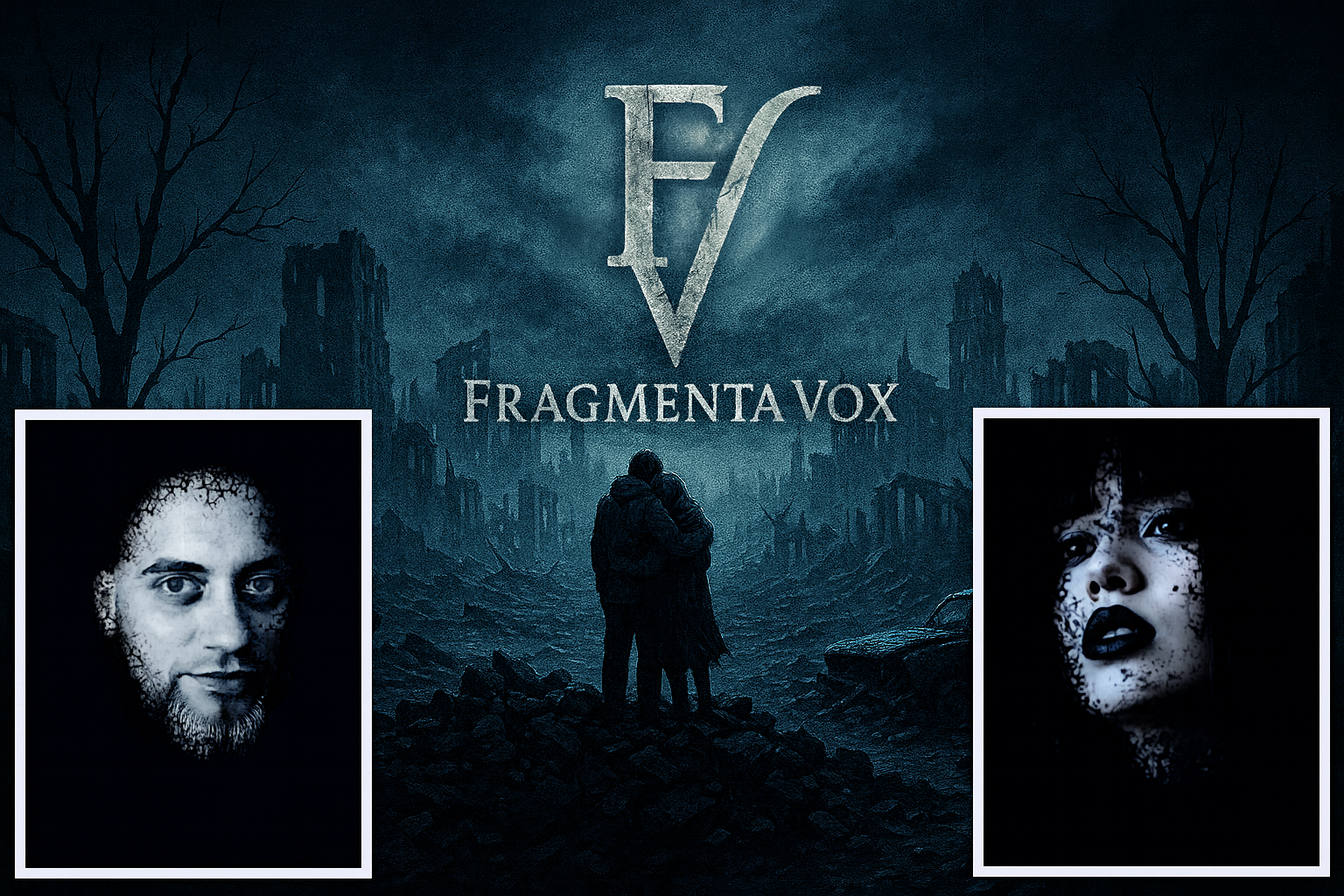
  • Here's one of our #FragmentaVox wallpapers. Our album "FRAGMENTA VOX – Nine Fragments of a Silent World", which you can buy on Bandcamp https://fragmentavox.bandcamp.com/album/fragmenta-vox-nine-fragments-of-a-silent-world also includes a complete art flipbook and other goodies.

    Enjoy, and thanks for your support!

    Best regards, Andreas
    Here's one of our #FragmentaVox wallpapers. Our album "FRAGMENTA VOX – Nine Fragments of a Silent World", which you can buy on Bandcamp https://fragmentavox.bandcamp.com/album/fragmenta-vox-nine-fragments-of-a-silent-world also includes a complete art flipbook and other goodies. Enjoy, and thanks for your support! Best regards, Andreas
    Love
    1
    0 Comments 0 Shares 2K Views 0 Reviews
  • Title: Macro & Micro Photography – Discovering the Beauty of Small Things

    There’s an entire universe just below the threshold of the naked eye – textures, patterns, creatures, and structures most people overlook. Macro and micro photography bring this world into focus, one detail at a time.


    Here’s how you can start exploring it with your lens:


    1. Know the difference.

    Macro photography deals with small subjects at close range – like insects, textures, or plants – usually at a 1:1 magnification or higher.

    Micro photography (or photomicrography) involves microscopes to photograph what’s otherwise invisible – like crystals, cells, or microfibers.


    2. Start with what you have.
    Many smartphones today offer decent macro modes. Clip-on macro lenses are inexpensive and can produce surprising results. For DSLRs or mirrorless cameras, a dedicated macro lens (like a 100mm f/2.8) is ideal.


    3. Stabilization is key.
    At this scale, even the tiniest movement ruins the shot. Use a tripod, remote shutter, and delay timer. For extreme close-ups, consider a focusing rail for precision.


    4. Light your subject well.
    Natural light can work, but artificial light gives you control. Use LED rings, soft diffused light, or even a flashlight with a diffuser. Avoid harsh shadows and reflections.


    5. Mind your depth of field.
    At macro scale, depth of field is razor thin. Shoot at f/8–f/16, and use focus stacking (multiple shots with different focus points) to get your entire subject sharp.


    6. Subject ideas to start with:

    Textures: leaves, fabrics, wood grain

    Water droplets

    Bugs and insects (if they stay still!)

    Everyday objects like salt, match heads, coins

    Crystals, sand, spices, feathers


    7. Edit with care.
    Sharpening, contrast, and color adjustments can enhance details – but don’t overdo it. Highlight the natural beauty of the micro world.


    Pro Tip: Upload your discoveries to net-twin.de
    – whether it’s a bug’s eye or a dew-covered thread, your lens reveals what others miss.


    #MacroPhotography #MicroWorlds #CloseUpMagic #CreativeVision #TinyDetails #nettwin


    Kind regards, Andy


    -----------------------------------
    Advertising that's really worth it for you!

    Get it now: Get a €100 voucher from Temu (new customers only)!

    Step 1 - Use my voucher link: https://temu.to/m/uwsjqkbzhhl
    Step 2 - Enter the following code in the search field at Temu to secure your €100!
    The Code: tar37925
    Title: Macro & Micro Photography – Discovering the Beauty of Small Things There’s an entire universe just below the threshold of the naked eye – textures, patterns, creatures, and structures most people overlook. Macro and micro photography bring this world into focus, one detail at a time. Here’s how you can start exploring it with your lens: 1. Know the difference. Macro photography deals with small subjects at close range – like insects, textures, or plants – usually at a 1:1 magnification or higher. Micro photography (or photomicrography) involves microscopes to photograph what’s otherwise invisible – like crystals, cells, or microfibers. 2. Start with what you have. Many smartphones today offer decent macro modes. Clip-on macro lenses are inexpensive and can produce surprising results. For DSLRs or mirrorless cameras, a dedicated macro lens (like a 100mm f/2.8) is ideal. 3. Stabilization is key. At this scale, even the tiniest movement ruins the shot. Use a tripod, remote shutter, and delay timer. For extreme close-ups, consider a focusing rail for precision. 4. Light your subject well. Natural light can work, but artificial light gives you control. Use LED rings, soft diffused light, or even a flashlight with a diffuser. Avoid harsh shadows and reflections. 5. Mind your depth of field. At macro scale, depth of field is razor thin. Shoot at f/8–f/16, and use focus stacking (multiple shots with different focus points) to get your entire subject sharp. 6. Subject ideas to start with: Textures: leaves, fabrics, wood grain Water droplets Bugs and insects (if they stay still!) Everyday objects like salt, match heads, coins Crystals, sand, spices, feathers 7. Edit with care. Sharpening, contrast, and color adjustments can enhance details – but don’t overdo it. Highlight the natural beauty of the micro world. 🎯 Pro Tip: Upload your discoveries to net-twin.de – whether it’s a bug’s eye or a dew-covered thread, your lens reveals what others miss. 📌 #MacroPhotography #MicroWorlds #CloseUpMagic #CreativeVision #TinyDetails #nettwin Kind regards, Andy 🤩 ----------------------------------- Advertising that's really worth it for you! Get it now: Get a €100 voucher from Temu (new customers only)! Step 1 - Use my voucher link: https://temu.to/m/uwsjqkbzhhl Step 2 - Enter the following code in the search field at Temu to secure your €100! The Code: tar37925
    Love
    1
    0 Comments 0 Shares 6K Views 0 Reviews
  • Title: Calligraphy & Hand Lettering – Drawing Letters with Personality


    Calligraphy isn’t just writing – it’s the art of giving letters rhythm, weight, and soul. Whether you're aiming for classic copperplate scripts or playful modern lettering, this hobby combines fine motor skills with expressive design.


    Let’s dive into how you can get started with calligraphy and hand lettering:


    1. Know the difference.

    Calligraphy is about writing – you use tools like nib pens or brushes to form letters in real time, with variation in pressure and stroke.

    Hand lettering is about drawing letters – each shape is crafted like an illustration.

    Both are deeply artistic and often overlap in style and technique.


    2. Start with basic tools.
    For beginners:

    Calligraphy: a dip pen + nib + ink (or brush pens for ease)

    Hand lettering: pencils, fineliners, and brush pens (Tombow, Fudenosuke, etc.)

    Smooth paper that won’t bleed or feather

    Digital tools like the Apple Pencil + Procreate are also great alternatives.


    3. Learn the strokes, not just the alphabet.
    Practice basic strokes: upstrokes (light), downstrokes (heavy), loops, ovals. Master these before you form letters – they’re the building blocks of every script.


    4. Focus on spacing and balance.
    Beautiful lettering is more about consistency than perfection. Watch for even spacing, similar angles, and good rhythm between letters.


    5. Use guidelines.
    Draw pencil guides for baseline, x-height, ascenders, and descenders. It’s not cheating – it’s essential.


    6. Don’t rush.
    Speed kills style. Take your time. Breath, write slowly, and enjoy the flow. Good calligraphy feels meditative.


    7. Explore different styles.
    Try gothic blackletter, italic, Roman capitals, modern script… or create your own. Mixing styles can add personality to your projects.


    Pro Tip: Post your progress and practice sheets on net-twin.de
    – our creative community loves beautiful lines, mindful craft, and expressive inkwork.

    #Calligraphy #HandLettering #ModernScript #CreativeWriting #InkArt #nettwin


    Kind regards, Andy

    -----------------------------------
    Advertising that's really worth it for you!

    Get it now: Get a €100 voucher from Temu (new customers only)!

    Step 1 - Use my voucher link: https://temu.to/m/uwsjqkbzhhl
    Step 2 - Enter the following code in the search field at Temu to secure your €100!
    The Code: tar37925
    Title: Calligraphy & Hand Lettering – Drawing Letters with Personality Calligraphy isn’t just writing – it’s the art of giving letters rhythm, weight, and soul. Whether you're aiming for classic copperplate scripts or playful modern lettering, this hobby combines fine motor skills with expressive design. Let’s dive into how you can get started with calligraphy and hand lettering: 1. Know the difference. Calligraphy is about writing – you use tools like nib pens or brushes to form letters in real time, with variation in pressure and stroke. Hand lettering is about drawing letters – each shape is crafted like an illustration. Both are deeply artistic and often overlap in style and technique. 2. Start with basic tools. For beginners: Calligraphy: a dip pen + nib + ink (or brush pens for ease) Hand lettering: pencils, fineliners, and brush pens (Tombow, Fudenosuke, etc.) Smooth paper that won’t bleed or feather Digital tools like the Apple Pencil + Procreate are also great alternatives. 3. Learn the strokes, not just the alphabet. Practice basic strokes: upstrokes (light), downstrokes (heavy), loops, ovals. Master these before you form letters – they’re the building blocks of every script. 4. Focus on spacing and balance. Beautiful lettering is more about consistency than perfection. Watch for even spacing, similar angles, and good rhythm between letters. 5. Use guidelines. Draw pencil guides for baseline, x-height, ascenders, and descenders. It’s not cheating – it’s essential. 6. Don’t rush. Speed kills style. Take your time. Breath, write slowly, and enjoy the flow. Good calligraphy feels meditative. 7. Explore different styles. Try gothic blackletter, italic, Roman capitals, modern script… or create your own. Mixing styles can add personality to your projects. 🎯 Pro Tip: Post your progress and practice sheets on net-twin.de – our creative community loves beautiful lines, mindful craft, and expressive inkwork. 📌 #Calligraphy #HandLettering #ModernScript #CreativeWriting #InkArt #nettwin Kind regards, Andy 🤩 ----------------------------------- Advertising that's really worth it for you! Get it now: Get a €100 voucher from Temu (new customers only)! Step 1 - Use my voucher link: https://temu.to/m/uwsjqkbzhhl Step 2 - Enter the following code in the search field at Temu to secure your €100! The Code: tar37925
    Wow
    2
    0 Comments 0 Shares 7K Views 0 Reviews
  • Title: Stop Motion Animation – Creating Motion from Stillness


    Stop motion is one of the oldest and most magical forms of animation. It’s not about speed – it’s about rhythm, planning, and breathing life into the inanimate. Whether you animate clay figures, paper cutouts, or even kitchen utensils, this hobby is both playful and powerful.

    Here’s how to get started:

    1. Understand what stop motion is.
    It’s a series of photos where each frame shows a tiny movement. Played back at 12–24 frames per second, it creates the illusion of life.

    2. Pick your medium.
    Popular choices include:

    Clay (claymation)

    Paper (cutout animation)

    Lego or figures (brickfilms)

    Everyday objects (pixilation or object animation)

    Each has its own charm. Try what you already have at home!

    3. Keep it steady.
    Use a tripod or solid surface. Shaky shots ruin the illusion. Tape your setup down if needed. For phone cameras, try simple tripods or holders.

    4. Use a stop motion app or software.
    For mobile: Stop Motion Studio is great.
    On desktop: Dragonframe (pro), or free options like MonkeyJam or Kdenlive for frame editing.

    5. Light is everything.
    Use constant light sources. Avoid windows or sunlight – shadows change quickly. Desk lamps or LED panels work best.

    6. Plan your movement.
    Sketch a basic storyboard. Think in “key poses” first, then fill in transitions. More frames = smoother motion, but also more effort.

    7. Add sound & effects later.
    Record audio separately or use royalty-free sounds. Add effects (dust, shake, filters) in post-editing to enhance the mood.

    Pro Tip: Even a bouncing ball is a great starting exercise. Share your short clips and behind-the-scenes shots on net-twin.de – people love seeing the magic before it’s polished!

    #StopMotion #FrameByFrame #DIYAnimation #CreativeProcess #AnimationMagic #nettwin


    Kind regards, Andy

    -----------------------------------
    Advertising that's really worth it for you!

    Get it now: Get a €100 voucher from Temu (new customers only)!

    Step 1 - Use my voucher link: https://temu.to/m/uwsjqkbzhhl
    Step 2 - Enter the following code in the search field at Temu to secure your €100!
    The Code: tar37925

    Title: Stop Motion Animation – Creating Motion from Stillness Stop motion is one of the oldest and most magical forms of animation. It’s not about speed – it’s about rhythm, planning, and breathing life into the inanimate. Whether you animate clay figures, paper cutouts, or even kitchen utensils, this hobby is both playful and powerful. Here’s how to get started: 1. Understand what stop motion is. It’s a series of photos where each frame shows a tiny movement. Played back at 12–24 frames per second, it creates the illusion of life. 2. Pick your medium. Popular choices include: Clay (claymation) Paper (cutout animation) Lego or figures (brickfilms) Everyday objects (pixilation or object animation) Each has its own charm. Try what you already have at home! 3. Keep it steady. Use a tripod or solid surface. Shaky shots ruin the illusion. Tape your setup down if needed. For phone cameras, try simple tripods or holders. 4. Use a stop motion app or software. For mobile: Stop Motion Studio is great. On desktop: Dragonframe (pro), or free options like MonkeyJam or Kdenlive for frame editing. 5. Light is everything. Use constant light sources. Avoid windows or sunlight – shadows change quickly. Desk lamps or LED panels work best. 6. Plan your movement. Sketch a basic storyboard. Think in “key poses” first, then fill in transitions. More frames = smoother motion, but also more effort. 7. Add sound & effects later. Record audio separately or use royalty-free sounds. Add effects (dust, shake, filters) in post-editing to enhance the mood. 🎯 Pro Tip: Even a bouncing ball is a great starting exercise. Share your short clips and behind-the-scenes shots on net-twin.de – people love seeing the magic before it’s polished! 📌 #StopMotion #FrameByFrame #DIYAnimation #CreativeProcess #AnimationMagic #nettwin Kind regards, Andy 🤩 ----------------------------------- Advertising that's really worth it for you! 💰 Get it now: Get a €100 voucher from Temu (new customers only)! Step 1 - Use my voucher link: https://temu.to/m/uwsjqkbzhhl Step 2 - Enter the following code in the search field at Temu to secure your €100! The Code: tar37925
    Wow
    2
    0 Comments 0 Shares 7K Views 0 Reviews
  • Title: Leathercraft for Beginners – How to Work with One of Humanity’s Oldest Materials

    Leathercraft connects us with millennia of tradition – from ancient armor and saddles to wallets, sheaths, and belts. With just a few tools and some patience, you can shape, stamp, and dye leather into something uniquely yours.


    Here’s how to get started:

    1. Choose the right leather.
    Start with vegetable-tanned leather – it’s firm, cuts cleanly, and takes tooling and dye beautifully. Thickness is measured in ounces: 4–5 oz is great for wallets, 7–9 oz for sheaths or belts.


    2. Basic tools to begin with:

    - Sharp utility knife or rotary cutter

    - Swivel knife (for carving)

    - Edge beveler

    - Mallet and stamping tools

    - Burnisher (wood or bone)

    - Hole punch

    - Ruler and scratch awl

    You don’t need a full workshop – just a good workspace and solid lighting.


    3. Cutting and patterning.
    Always trace your pattern on the flesh side with a scratch awl. Cut slowly with firm pressure. Use grid mats for accuracy and safety.


    4. Tooling and stamping.
    Dampen the leather with a sponge before carving. Use your swivel knife to outline designs, then stamp textures or patterns with specialized tools and a mallet. Practice on scraps first!


    5. Edge finishing makes the difference.
    Bevel the edge, wet slightly, and rub vigorously with a burnisher using gum tragacanth, beeswax, or saddle soap. A smooth edge feels pro.


    6. Dyeing & sealing.
    Use water-based or alcohol dyes in multiple thin layers. Always test first. Seal with acrylic finish or natural oils for a lasting surface.


    7. Stitching like a pro.
    Use two needles and waxed thread for a classic saddle stitch. Punch holes with a pricking iron or awl – keep spacing even. Don’t rush. Clean stitching makes the piece.


    Pro Tip: Share your leatherwork on net-twin.de – from hand-tooled belts to engraved sheaths. Our community values real craftsmanship and detail.

    #Leathercraft #ToolingLeather #HandmadeGear #CreativeHands #Craftsmanship #nettwin


    Kind regards, Andy


    -----------------------------------
    Advertising that's really worth it for you!

    Get it now: Get a €100 voucher from Temu (new customers only)!

    Step 1 - Use my voucher link: https://temu.to/m/uwsjqkbzhhl
    Step 2 - Enter the following code in the search field at Temu to secure your €100!
    The Code: tar37925
    Title: Leathercraft for Beginners – How to Work with One of Humanity’s Oldest Materials Leathercraft connects us with millennia of tradition – from ancient armor and saddles to wallets, sheaths, and belts. With just a few tools and some patience, you can shape, stamp, and dye leather into something uniquely yours. Here’s how to get started: 1. Choose the right leather. Start with vegetable-tanned leather – it’s firm, cuts cleanly, and takes tooling and dye beautifully. Thickness is measured in ounces: 4–5 oz is great for wallets, 7–9 oz for sheaths or belts. 2. Basic tools to begin with: - Sharp utility knife or rotary cutter - Swivel knife (for carving) - Edge beveler - Mallet and stamping tools - Burnisher (wood or bone) - Hole punch - Ruler and scratch awl You don’t need a full workshop – just a good workspace and solid lighting. 3. Cutting and patterning. Always trace your pattern on the flesh side with a scratch awl. Cut slowly with firm pressure. Use grid mats for accuracy and safety. 4. Tooling and stamping. Dampen the leather with a sponge before carving. Use your swivel knife to outline designs, then stamp textures or patterns with specialized tools and a mallet. Practice on scraps first! 5. Edge finishing makes the difference. Bevel the edge, wet slightly, and rub vigorously with a burnisher using gum tragacanth, beeswax, or saddle soap. A smooth edge feels pro. 6. Dyeing & sealing. Use water-based or alcohol dyes in multiple thin layers. Always test first. Seal with acrylic finish or natural oils for a lasting surface. 7. Stitching like a pro. Use two needles and waxed thread for a classic saddle stitch. Punch holes with a pricking iron or awl – keep spacing even. Don’t rush. Clean stitching makes the piece. 🎯 Pro Tip: Share your leatherwork on net-twin.de – from hand-tooled belts to engraved sheaths. Our community values real craftsmanship and detail. 📌 #Leathercraft #ToolingLeather #HandmadeGear #CreativeHands #Craftsmanship #nettwin Kind regards, Andy 😆 ----------------------------------- Advertising that's really worth it for you! Get it now: Get a €100 voucher from Temu (new customers only)! Step 1 - Use my voucher link: https://temu.to/m/uwsjqkbzhhl Step 2 - Enter the following code in the search field at Temu to secure your €100! The Code: tar37925
    Like
    Wow
    2
    0 Comments 0 Shares 7K Views 0 Reviews
  • Title: Graphic Design for Beginners – Make Ideas Look Brilliant

    Graphic design isn’t just decoration – it’s communication. Whether you're designing a poster, logo, website banner or album cover, design helps ideas shine. Getting started is easier than you think – you just need an eye for clarity and a few basic principles.


    Here’s your first creative toolkit:

    1. Understand visual hierarchy.
    Design isn’t just what you show, but how. Use font size, color, spacing, and alignment to guide the viewer’s eye. Big title, medium subhead, small body text – that’s your foundation.


    2. Pick a simple color palette.
    Use no more than 2–3 main colors. Use contrast wisely: dark vs. light, warm vs. cool. Try palette generators like Coolors.co for inspiration.


    3. Fonts matter more than you think.
    Choose readable fonts that match your message. Pair a strong header font (like Bebas Neue or Playfair Display) with a simple body font (like Lato or Roboto). Avoid using more than two fonts per design.


    4. Use grids and alignment.
    Good layout = invisible structure. Align your elements, keep spacing even, and avoid clutter. White space is your friend – it gives your content room to breathe.


    5. Less is (almost) always more.
    Remove anything that doesn’t add value. Ask: Does this element serve a purpose? Clean, minimal designs are more effective than noisy, overloaded ones.


    6. Learn by copying (for now).
    Recreate posters or ads you love just for practice. Don’t publish them, but reverse-engineering is one of the fastest ways to learn what works.


    7. Use free tools to get started.
    Try Canva, Figma, or Photopea. You’ll find templates, stock assets, and easy-to-use interfaces – perfect for learning layout, branding, and content creation.


    Pro Tip: Share your layouts and WIPs on net-twin.de – other creatives can offer tips on color, type, or flow. Feedback is the secret weapon of every designer.

    #GraphicDesign #BeginnerDesigners #DesignTips #VisualStorytelling #CreativeSkills #nettwin


    Kind regards, Andy


    -----------------------------------
    Advertising that's really worth it for you!

    Get it now: Get a €100 voucher from Temu (new customers only)!

    Step 1 - Use my voucher link: https://temu.to/m/uwsjqkbzhhl
    Step 2 - Enter the following code in the search field at Temu to secure your €100!
    The Code: tar37925

    Title: Graphic Design for Beginners – Make Ideas Look Brilliant Graphic design isn’t just decoration – it’s communication. Whether you're designing a poster, logo, website banner or album cover, design helps ideas shine. Getting started is easier than you think – you just need an eye for clarity and a few basic principles. Here’s your first creative toolkit: 1. Understand visual hierarchy. Design isn’t just what you show, but how. Use font size, color, spacing, and alignment to guide the viewer’s eye. Big title, medium subhead, small body text – that’s your foundation. 2. Pick a simple color palette. Use no more than 2–3 main colors. Use contrast wisely: dark vs. light, warm vs. cool. Try palette generators like Coolors.co for inspiration. 3. Fonts matter more than you think. Choose readable fonts that match your message. Pair a strong header font (like Bebas Neue or Playfair Display) with a simple body font (like Lato or Roboto). Avoid using more than two fonts per design. 4. Use grids and alignment. Good layout = invisible structure. Align your elements, keep spacing even, and avoid clutter. White space is your friend – it gives your content room to breathe. 5. Less is (almost) always more. Remove anything that doesn’t add value. Ask: Does this element serve a purpose? Clean, minimal designs are more effective than noisy, overloaded ones. 6. Learn by copying (for now). Recreate posters or ads you love just for practice. Don’t publish them, but reverse-engineering is one of the fastest ways to learn what works. 7. Use free tools to get started. Try Canva, Figma, or Photopea. You’ll find templates, stock assets, and easy-to-use interfaces – perfect for learning layout, branding, and content creation. 🎯 Pro Tip: Share your layouts and WIPs on net-twin.de – other creatives can offer tips on color, type, or flow. Feedback is the secret weapon of every designer. 📌 #GraphicDesign #BeginnerDesigners #DesignTips #VisualStorytelling #CreativeSkills #nettwin Kind regards, Andy 🤩 ----------------------------------- Advertising that's really worth it for you! 💰Get it now: Get a €100 voucher from Temu (new customers only)! Step 1 - Use my voucher link: https://temu.to/m/uwsjqkbzhhl Step 2 - Enter the following code in the search field at Temu to secure your €100! The Code: tar37925
    Like
    Wow
    2
    0 Comments 0 Shares 7K Views 0 Reviews
More Results