


Smart Pet Care Planning: How to Prepare for Every Stage of Your Pet’s Life
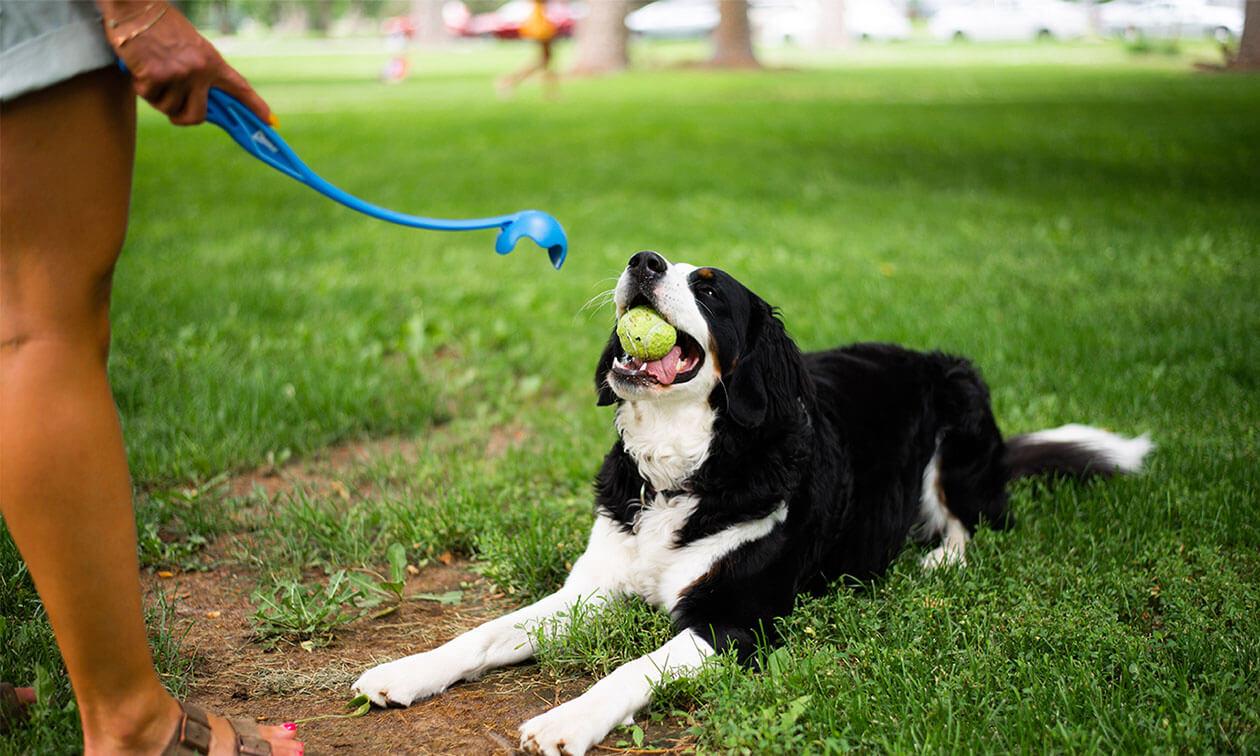
elcoming a pet into your home is a beautiful decision. It brings joy, companionship, and countless unforgettable moments. But behind every happy pet is thoughtful preparation. That’s where pet care planning becomes essential.
Good intentions are not enough. Pets need structure, financial security, preventive healthcare, and emotional stability. When you approach pet ownership with a clear plan, you create a safe and fulfilling life for your furry companion.
In this guide, we’ll explore a smarter, more modern approach to pet care planning — one that prepares you for every stage of your pet’s life.
What Is Pet Care Planning — Really?
Many people assume pet care planning just means buying food and visiting the vet occasionally. In reality, it’s much deeper.
Pet care planning is the process of organizing your pet’s physical, emotional, medical, and financial needs in advance.
It includes:
-
Nutrition strategy
-
Healthcare scheduling
-
Emergency preparedness
-
Behavioral training
-
Long-term aging support
-
Financial budgeting
When done properly, it prevents stress and protects your pet’s quality of life.
Stage 1: Early Preparation Before Bringing a Pet Home
Planning should start before your pet even enters your home.
Questions to Ask Yourself
-
Do I have enough time daily for exercise and care?
-
Can I afford medical expenses long-term?
-
Is my home environment safe for a pet?
-
Who will care for the pet if I travel?
Responsible organizations like ASPCA encourage future pet owners to evaluate lifestyle compatibility before adoption.
Preparing early is the foundation of successful pet care planning.
Stage 2: Nutrition Strategy for Lifelong Health
Diet plays a central role in your pet’s development, energy, and lifespan.
Different life stages require different nutrition:
-
Puppies and kittens need high protein and calorie-dense food
-
Adult pets require balanced maintenance formulas
-
Senior pets may need joint support and lower-calorie diets
According to guidelines from the American Veterinary Medical Association, proper portion control is one of the most important factors in preventing obesity.
Smart Feeding Practices
-
Measure food accurately
-
Avoid excessive treats
-
Maintain consistent feeding times
-
Monitor weight monthly
Good pet care planning always includes a feeding schedule tailored to breed, size, and age.
Stage 3: Preventive Healthcare Planning
Preventive care costs far less than emergency treatment. Planning ahead protects both your pet and your budget.
Your Preventive Health Checklist
-
Vaccination timeline
-
Annual wellness exams
-
Dental cleaning
-
Parasite control
-
Spaying or neutering
The American Kennel Club also emphasizes breed-specific health screenings for dogs prone to genetic conditions.
Include all medical appointments in a calendar. Modern pet care planning often uses mobile reminders or digital apps to track vaccinations and treatments.
Stage 4: Financial Planning for Pet Ownership
One of the most overlooked aspects of pet care planning is budgeting.
Pets are long-term financial commitments. Planning reduces anxiety and prevents difficult decisions later.
Typical Annual Expenses
-
Food
-
Grooming
-
Vaccinations
-
Routine vet visits
-
Toys and enrichment
Emergency Fund Strategy
Set aside savings specifically for pet emergencies. Surgeries or unexpected illnesses can be costly. Pet insurance may also be worth considering depending on your situation.
Financial preparation is not pessimistic — it’s responsible.
Stage 5: Training and Behavioral Development
Behavioral problems are one of the top reasons pets are surrendered. Many of these issues can be prevented with early training.
Core Training Goals
-
House training
-
Leash discipline
-
Basic commands (sit, stay, come)
-
Socialization with people and other animals
Use positive reinforcement techniques supported by trusted animal welfare groups.
Structured training is a critical part of long-term pet care planning, especially during the first year.
Stage 6: Mental and Physical Enrichment
Pets need stimulation just like humans do. Boredom can lead to destructive habits and emotional distress.
Ways to Keep Pets Engaged
-
Daily walks or exercise sessions
-
Interactive toys
-
Puzzle feeders
-
Training games
-
Social interaction
Dogs may require structured exercise, while cats often benefit from vertical climbing spaces and play sessions.
Including enrichment activities in your pet care planning routine improves overall well-being.
Stage 7: Planning for Senior Years
Pets age faster than we expect. Preparing for their senior stage ensures comfort and dignity.
Senior Pet Adjustments
-
Softer bedding
-
Regular joint assessments
-
Modified exercise routines
-
Age-specific nutrition
-
More frequent vet visits
Older pets may develop arthritis, dental issues, or vision problems. Planning early makes these transitions smoother.
Good pet care planning adapts over time — it doesn’t remain static.
Emergency and Disaster Preparedness
Unexpected events can happen at any time.
Prepare a pet emergency kit that includes:
-
Food supply (3–5 days)
-
Water
-
Medical records
-
Identification tags
-
Carrier or leash
If you live in an area prone to floods, earthquakes, or extreme weather, emergency planning becomes even more important.
Responsible pet care planning includes backup caregivers and evacuation strategies.
Emotional Bonding and Mental Health
Pets are emotional beings. Anxiety, separation stress, and loneliness can impact their behavior and health.
Daily bonding activities include:
-
Playtime
-
Calm interaction
-
Positive reinforcement
-
Routine stability
When pets feel secure, they behave better and stay healthier.
Never underestimate the emotional dimension of pet care planning.
Technology and Modern Pet Care Planning
Today, technology makes pet ownership easier.
Many owners now use:
-
GPS tracking collars
-
Automatic feeders
-
Health monitoring devices
-
Pet care management apps
Digital tracking improves vaccination reminders, feeding schedules, and medical record storage.
Modern pet care planning blends traditional responsibility with smart technology.
Common Mistakes in Pet Care Planning
Avoid these frequent errors:
-
Skipping routine checkups
-
Ignoring behavioral changes
-
Feeding without portion control
-
Failing to budget
-
Delaying training
Proactive planning prevents most long-term issues.
How to Build Your Personal Pet Care Plan
Here’s a simple action plan:
Step 1: Create a Pet Care Folder
Store:
-
Medical records
-
Vaccination history
-
Expense tracking
-
Emergency contacts
Step 2: Build a Monthly Budget
Track recurring and unexpected costs.
Step 3: Set Routine Reminders
Use a phone calendar for vet visits and grooming.
Step 4: Review Every 6 Months
Adjust food, exercise, and medical care as needed.
This structured approach strengthens your pet care planning foundation.
Final Thoughts: Planning Is Love in Action
Pets depend entirely on us. They cannot schedule appointments, manage diets, or prepare for emergencies. That responsibility belongs to us.
When you commit to thoughtful pet care planning, you reduce stress, prevent avoidable health issues, and create a stable, joyful environment for your companion.
Planning doesn’t remove spontaneity — it protects it.

- Make-up and SFX
- Art & Design
- Comedy
- Crafts
- Fashion and Style
- Ausbildung
- Entertainment
- Movies and Animation
- E-Sport & Gaming
- Game Development & Modding
- Live Style
- Natural
- Blades & Guns
- Development & Coding
- Pets and Animals
- Get it 100% for free
- Science and Technology
- Music
- Travel and Events
- Shopping
- Sports
- Theater

 English
 French
 Spanish