


Press Fit Tool: Precision, Power, and the Art of Perfect Assembly
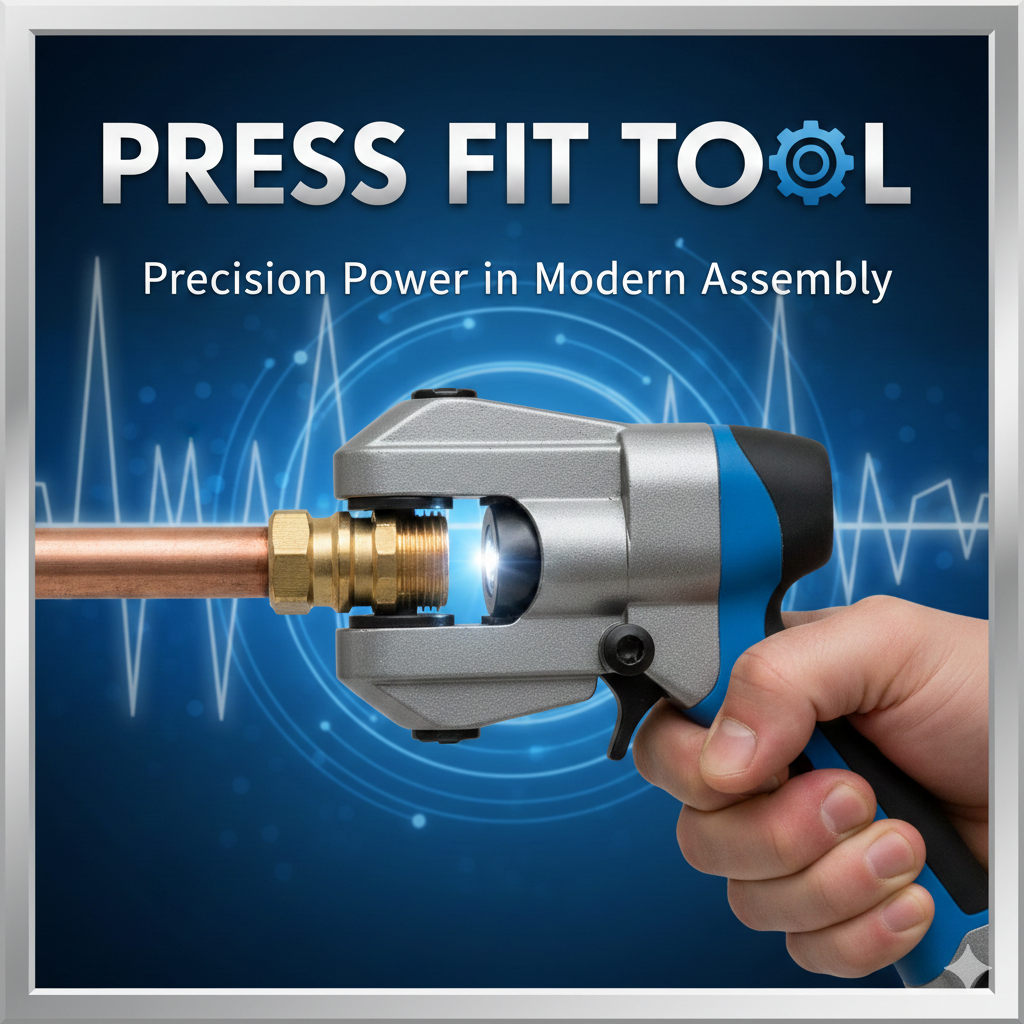
In the world of manufacturing and mechanical design, success often depends on details invisible to the casual observer. One such detail is how parts come together—securely, accurately, and without compromise. At the center of this quiet engineering triumph stands the press fit tool, a device that transforms raw components into unified systems with strength and precision.
Understanding the Press Fit Concept
A press fit, also known as an interference fit, occurs when two parts are joined by force rather than by fasteners or adhesives. One component is slightly larger than the opening it must enter. When pressed together, friction holds the parts firmly in place. This method creates joints that are clean, strong, and resistant to vibration.
The press fit tool is designed to apply controlled force during this process. It ensures that pressure is distributed evenly, preventing damage while achieving a reliable bond. Without such a tool, precision assembly would be nearly impossible.
Why Precision Matters in Assembly
Modern products demand exact tolerances. From automotive components to electronic devices, even the smallest misalignment can lead to failure. Manual force alone cannot provide the consistency required for high-quality production.
A press fit tool brings predictability to the process. It allows manufacturers to repeat the same action hundreds or thousands of times with identical results. This level of consistency improves product reliability, reduces waste, and saves time on rework.
Types of Press Fit Tools
Press fit tools come in various forms, each suited to specific applications. Manual arbor presses are common in workshops where control and sensitivity are essential. Hydraulic presses, on the other hand, are used in heavy-duty industries where significant force is required. Pneumatic presses offer speed and efficiency, making them ideal for production lines.
Despite these differences, the goal remains the same: to insert components smoothly and accurately without compromising their structural integrity.
The Role of Material Compatibility
Not all materials behave the same under pressure. Metals, plastics, and composites respond differently to force and friction. A well-designed press fit tool takes these differences into account.
For example, softer materials require gentler, more controlled pressure to avoid deformation. Harder materials may need greater force but still demand precision to prevent cracking or stress fractures. Understanding material behavior is just as important as choosing the right tool.
Applications Across Industries
The versatility of the press fit tool makes it valuable across numerous industries. In automotive manufacturing, it is used to assemble bearings, gears, and shafts. In electronics, delicate connectors and pins are pressed into circuit boards with exact alignment. Furniture manufacturing relies on press fitting to create strong joints without visible hardware.
Even medical device production depends on press fit tools to assemble components where cleanliness and precision are critical. In each case, the tool ensures durability while maintaining a clean, professional finish.
Efficiency and Cost Benefits
One of the greatest advantages of using a press fit tool is efficiency. Press fitting eliminates the need for screws, bolts, or welding, reducing both material costs and assembly time. Fewer components mean fewer potential points of failure.
Over time, this efficiency translates into significant cost savings. Products assembled with press fits often require less maintenance and perform more reliably, enhancing their overall value.
Safety and Control in Operation
Applying force always carries risk, which is why modern press fit tools are designed with safety in mind. Features such as force limits, alignment guides, and emergency stops help protect both operators and components.
Controlled pressure also minimizes human error. By guiding the process, the tool ensures that each press fit meets the required specifications, even when operated by different technicians.
Innovation and the Future of Press Fitting
As manufacturing continues to evolve, so do press tools. Digital controls, sensors, and automation are transforming how these tools operate. Smart presses can monitor force, distance, and speed in real time, providing data that improves quality control.
This integration of technology allows manufacturers to detect issues before they become problems. It also supports lean manufacturing practices by reducing waste and improving efficiency.
Final Thoughts
Behind every seamless product lies a process built on accuracy and intention. The press fit tool may not be flashy, but its impact is profound. It enables strong, clean, and reliable assemblies that stand the test of time. In an age where precision defines quality, this humble tool remains an essential partner in the art of modern manufacturing.
- Make-up and SFX
- Art & Design
- Comedy
- Crafts
- Fashion and Style
- Ausbildung
- Entertainment
- Movies and Animation
- E-Sport & Gaming
- Game Development & Modding
- Live Style
- Natural
- Blades & Guns
- Development & Coding
- Pets and Animals
- Get it 100% for free
- Science and Technology
- Music
- Travel and Events
- Shopping
- Sports
- Theater

 English
 French
 Spanish