


Why HVAC Technology Is Transforming Energy Efficiency 2026?
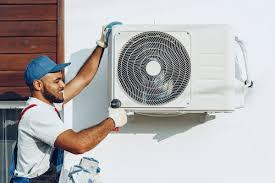
Energy-efficient AC systems are redefining indoor comfort and reducing global electricity consumption significantly. This guide explains why HVAC Technology Is Transforming Energy Efficiency 2026 for residential and commercial buildings worldwide.
Modern energy efficient ac solutions now combine automation, sustainability, and intelligence for superior performance. Understanding Why HVAC Technology Is Transforming Energy Efficiency 2026 helps buyers make smarter long-term HVAC investments.
Understanding Modern HVAC Technology
HVAC technology controls heating, ventilation, and air conditioning within indoor environments. Modern HVAC systems prioritize efficiency, comfort, and environmental responsibility.
Traditional systems focused only on cooling or heating output. New systems focus on optimized energy usage and intelligent climate management.
What Makes an HVAC System Energy Efficient
Energy efficiency depends on system design, components, and operational intelligence. Efficient systems consume less power while delivering consistent comfort.
Key efficiency factors include advanced compressors, smart sensors, and improved insulation compatibility. Regular system calibration also plays a crucial role.
Role of Energy Efficient AC in Power Savings
An energy efficient ac reduces electricity consumption without sacrificing cooling performance. These systems adjust output based on real-time temperature needs.
They avoid constant on-off cycling that wastes energy. This results in lower monthly electricity bills.
Smart Controls and Automation in HVAC
Smart thermostats allow precise temperature management across different zones. Automation ensures HVAC systems operate only when necessary.
Remote access enables users to adjust settings from anywhere. This reduces unnecessary energy usage.
Inverter Technology and Variable Speed Compressors
Inverter technology allows compressors to run at variable speeds. This prevents energy spikes during startup cycles.
Variable speed operation maintains steady indoor temperatures. It significantly improves system efficiency.
Advanced Airflow and Heat Exchange Design
Optimized airflow reduces resistance inside ducts and vents. Better airflow ensures faster cooling and heating.
Improved heat exchangers maximize thermal transfer efficiency. Less energy is required to achieve desired temperatures.
Sustainable Refrigerants and Environmental Impact
Modern HVAC systems use eco-friendly refrigerants with lower global warming potential. These refrigerants improve efficiency while reducing environmental harm.
Sustainable refrigerants comply with global environmental regulations. They support long-term climate goals.
HVAC Integration with Renewable Energy
HVAC systems now integrate with solar and renewable energy sources. This integration reduces dependency on traditional power grids.
Renewable-powered HVAC systems offer sustainable long-term solutions. They also reduce operational costs.
Benefits for Residential Buildings
Homeowners benefit from consistent comfort and lower electricity bills. Energy efficient systems improve indoor air quality. Smart HVAC solutions adapt to lifestyle patterns. They provide personalized comfort settings.
Benefits for Commercial and Industrial Spaces
Commercial buildings demand large-scale energy efficiency. Modern HVAC systems meet these demands effectively.
Efficient HVAC reduces operational expenses significantly. It also supports sustainability certifications.
Cost Savings and Long-Term ROI
Energy efficient HVAC systems cost less to operate over time. Initial investment is offset by long-term savings.
Reduced maintenance costs increase return on investment. Efficient systems experience fewer mechanical failures.
HVAC Technology Trends Shaping 2026
Artificial intelligence is enhancing HVAC decision-making processes. AI predicts usage patterns and adjusts settings automatically.
Internet of Things integration enables real-time system monitoring. These trends define future HVAC efficiency.
Choosing the Right Energy Efficient AC
Selecting the right energy efficient ac requires understanding capacity needs. System size must match room or building dimensions.
Energy ratings help compare efficiency levels accurately. Professional consultation ensures correct selection.
Common Mistakes to Avoid
Oversized HVAC systems waste energy and money. Poor installation reduces system efficiency drastically.
Ignoring maintenance leads to higher energy consumption. Regular servicing is essential.
Frequently Asked Questions
1: What is an energy efficient AC?
An energy efficient ac uses less electricity while delivering effective cooling.
It adjusts output based on real-time demand.
2: How does HVAC technology improve energy efficiency?
Modern HVAC uses smart controls, inverter compressors, and automation. These features reduce energy waste.
3: Are energy efficient HVAC systems expensive?
Initial costs may be higher than traditional systems. Long-term savings outweigh upfront investment.
4: Can HVAC systems work with solar power?
Yes, many HVAC systems integrate with solar energy solutions. This reduces grid dependency.
5: How often should HVAC systems be serviced?
HVAC systems should be serviced at least twice yearly. Regular maintenance preserves efficiency and lifespan.
- Make-up and SFX
- Art & Design
- Comedy
- Crafts
- Fashion and Style
- Educación
- Entertainment
- Movies and Animation
- E-Sport & Gaming
- Game Development & Modding
- Live Style
- Natural
- Blades & Guns
- Development & Coding
- Pets and Animals
- Get it 100% for free
- Science and Technology
- Music
- Travel and Events
- Shopping
- Sports
- Theater

 English
 French
 Deutsch