

Professional Logo Conversion for Pfaff Embroidery Machines
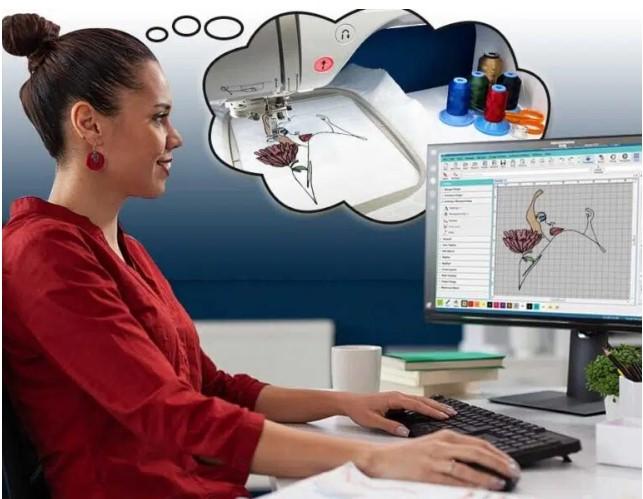
When it comes to running a Pfaff embroidery machine, design quality matters just as much as machine precision. That’s where Logo Conversion For Pfaff Embroidery plays a crucial role. A logo that looks perfect on screen won’t always stitch cleanly unless it’s properly converted into a Pfaff-compatible embroidery file. From uneven stitches to thread breaks, many embroidery problems start with poor logo conversion, not the machine itself.
In this complete guide, we’ll explore how professional logo conversion works for Pfaff embroidery machines, which file formats matter most, common mistakes to avoid, and why expert digitizing ensures smooth, stitch-ready results every time.
Understanding Pfaff Embroidery Machines and File Requirements
Pfaff embroidery machines are known for their advanced engineering, precision stitching, and creative flexibility. However, they rely on specific embroidery file formats to operate correctly.
Common Pfaff Embroidery File Formats
- VP3 – Standard Pfaff embroidery format
- VP4 – Newer format with advanced color and stitch data
- DST – Widely supported but limited in color data
- EXP – Older format, still compatible with some Pfaff models
Professional logo conversion ensures your design is optimized for these formats, maintaining stitch accuracy and design integrity.
What Is Logo Conversion for Pfaff Embroidery?
Logo conversion is the process of transforming a standard image or vector logo such as JPG, PNG, AI, or PDF into a stitch-based embroidery file that Pfaff machines can read.
Unlike simple image conversion, embroidery digitizing:
- Translates shapes into stitch paths
- Assigns stitch types (satin, fill, running)
- Sets stitch direction and density
- Adjusts pull compensation and underlay
- Optimizes thread sequencing
This technical process ensures your logo stitches smoothly without distortion.
Why Professional Logo Conversion Matters
Many people try to auto-convert logos using basic software, but this often leads to disappointing results. Professional logo conversion ensures:
1. Clean and Consistent Stitching
Proper digitizing eliminates gaps, overlaps, and uneven stitch density.
2. Machine-Friendly Performance
Correct stitch sequencing reduces thread breaks and needle stress.
3. Accurate Logo Representation
Your brand colors, proportions, and details remain intact.
4. Fabric-Specific Optimization
Different fabrics require different stitch strategies professionals account for.
Common Problems Caused by Poor Logo Conversion
If your logo isn’t converted correctly, you may experience:
- Puckering or fabric distortion
- Jagged edges or broken outlines
- Misaligned text or small details disappearing
- Excessive thread trimming
- Color changes stitching out of order
All of these issues can cost time, thread, and materials and they’re completely avoidable with proper conversion.
The Professional Logo Conversion Process Explained
Here’s what happens during a high-quality logo conversion for Pfaff embroidery machines:
Step 1: Logo Evaluation
The digitizer analyzes:
- Design complexity
- Text size
- Color count
- Fabric type
- Stitch placement
Step 2: Vector Cleanup (If Needed)
Logos are refined to remove pixelation and unnecessary details that won’t stitch well.
Step 3: Stitch Mapping
Each part of the logo is assigned the correct stitch type and direction.
Step 4: Underlay Setup
Underlay stitches stabilize the fabric and improve top-stitch appearance.
Step 5: Format Conversion
The final design is saved in VP3, VP4, or another Pfaff-compatible format.
Step 6: Quality Testing
The file is tested digitally (and sometimes physically) to ensure flawless results.
Best Logos for Pfaff Embroidery Conversion
While almost any logo can be digitized, the best results come from logos with:
- Clean vector artwork
- Balanced spacing
- Legible text sizes
- Limited gradients
- Solid shapes
Complex artwork can still be converted but it requires expert digitizing to preserve clarity.
Tips to Get the Best Results from Logo Conversion
To ensure perfect embroidery outcomes, keep these tips in mind:
- Always submit high-resolution or vector logos
- Mention the fabric type and hoop size
- Specify where the logo will be placed
- Avoid extremely small text when possible
- Use professional digitizing instead of auto-conversion
These steps help digitizers optimize your logo specifically for Pfaff machines.
Why Pfaff Users Prefer Professional Digitizing Services
Pfaff machines are precision tools, and they perform best with professionally digitized files. Skilled digitizers understand:
- Pfaff stitch logic
- Thread tension behavior
- Machine speed compatibility
- Design scaling limitations
This expertise results in cleaner embroidery, faster production, and fewer errors.
Industries That Benefit from Pfaff Logo Conversion
Professional logo conversion is widely used in:
- Corporate apparel
- Sportswear and uniforms
- Promotional products
- Fashion brands
- Home déco
- Personalized gifts
Whether you’re running a commercial embroidery shop or working on custom projects, proper conversion makes a huge difference.
Final Thoughts
A Pfaff embroidery machine is only as good as the file you feed it. Investing in professional Logo Conversion For Pfaff Embroidery ensures your designs stitch smoothly, look professional, and represent your brand accurately on every garment. From clean outlines to flawless stitch flow, expert conversion eliminates the guesswork and delivers consistent results.
If you’re looking for reliable, high-quality logo conversion that’s optimized specifically for Pfaff embroidery machines, working with experienced professionals like Digitizing Buddy ensures your logos are always stitch-ready and embroidery-perfect.
- Make-up and SFX
- Art & Design
- Comedy
- Crafts
- Fashion and Style
- Ausbildung
- Entertainment
- Movies and Animation
- E-Sport & Gaming
- Game Development & Modding
- Live Style
- Natural
- Blades & Guns
- Development & Coding
- Pets and Animals
- Get it 100% for free
- Science and Technology
- Music
- Travel and Events
- Shopping
- Sports
- Theater

 English
 French
 Spanish