


Dihydrocodeine 30mg Tablets UK Everything You Need to Know
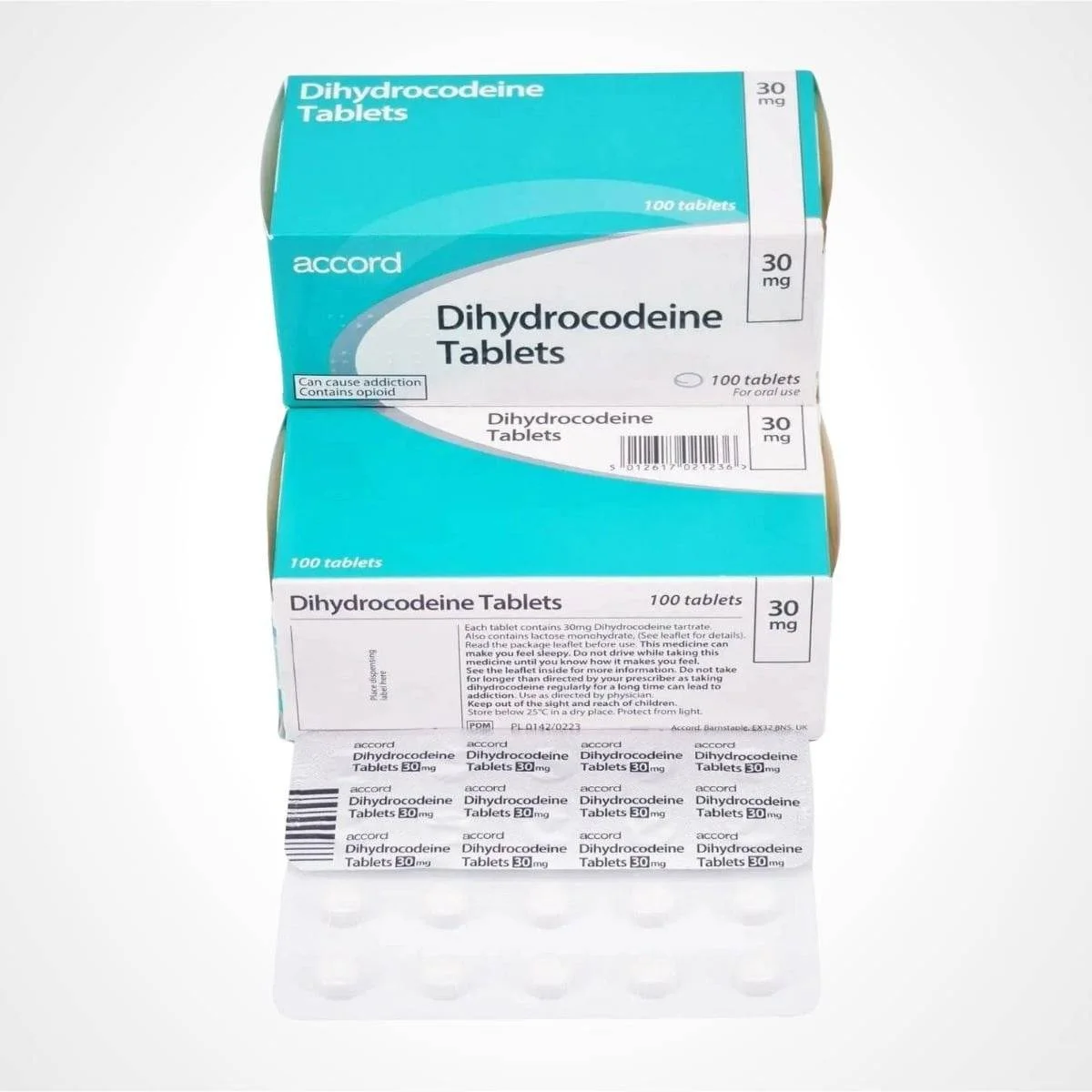
Dihydrocodeine 30mg tablets are a widely prescribed medication in the UK, mainly used to relieve moderate to severe pain. They belong to a group of medicines called opioid analgesics, which work by changing how the brain and nervous system respond to pain. Because of their strength and potential for dependence, dihydrocodeine tablets are only available on prescription in the UK.
This comprehensive guide explains everything you need to know about Dihydrocodeine 30mg tablets, including how they work, what they are used for, dosage guidance, safety information, side effects, legal status in the UK, and responsible use. The aim is to provide clear and simple information to help readers understand this medication better.
What Is Dihydrocodeine?
Dihydrocodeine is an opioid painkiller that is chemically related to codeine. It is stronger than standard codeine but weaker than morphine. In the UK, dihydrocodeine is commonly prescribed when other painkillers such as paracetamol or ibuprofen are not strong enough to control pain.
Dihydrocodeine works by binding to opioid receptors in the brain and spinal cord. These receptors reduce the sensation of pain and help the body tolerate discomfort more effectively. In addition to pain relief, dihydrocodeine can also have a calming effect, which may help patients rest while recovering from illness or injury.
What Are Dihydrocodeine 30mg Tablets Used For?
Dihydrocodeine 30mg tablets in the Uk are usually prescribed for short-term pain relief. Common uses include:
-
Moderate to severe pain after surgery
-
Pain caused by injury or trauma
-
Chronic pain when other treatments have not worked
-
Severe musculoskeletal pain
-
Pain associated with certain medical conditions
In some cases, dihydrocodeine may also be used to treat persistent coughs or breathlessness, but this depends on a doctor’s assessment.
Doctors typically prescribe dihydrocodeine when the benefits outweigh the risks and when other pain relief options have not been effective.
How Dihydrocodeine 30mg Tablets Work
Dihydrocodeine 30mg in the Uk affects the central nervous system. After taking a tablet, the medicine is absorbed into the bloodstream and travels to the brain. There, it attaches to opioid receptors that block pain signals from reaching the brain.
By reducing the perception of pain, dihydrocodeine helps patients feel more comfortable. However, because it affects the brain, it can also cause side effects such as drowsiness or slowed breathing, which is why it must be used carefully.
Dosage and How to Take Dihydrocodeine 30mg Tablets
The usual adult dose of dihydrocodeine in the UK is one 30mg tablet every four to six hours, depending on the level of pain and the doctor’s instructions. The total daily dose should not exceed the amount prescribed by a healthcare professional.
Important dosage guidance includes:
-
Always follow your doctor’s or pharmacist’s instructions
-
Swallow tablets whole with water
-
Do not crush or chew the tablets
-
Take the medicine at evenly spaced intervals
-
Do not increase the dose without medical advice
Dihydrocodeine is not usually recommended for long-term use unless closely monitored by a doctor.
Who Can Take Dihydrocodeine 30mg Tablets?
Dihydrocodeine may be suitable for adults and, in some cases, older teenagers, depending on medical advice. However, it is not suitable for everyone.
You should inform your doctor if you have:
-
Breathing problems such as asthma or COPD
-
Liver or kidney disease
-
A history of drug or alcohol dependence
-
Head injuries or increased pressure in the brain
-
Low blood pressure
-
Gastrointestinal conditions
Pregnant or breastfeeding women should only use dihydrocodeine if advised by a healthcare professional, as opioids can affect unborn babies and infants.
Possible Side Effects of Dihydrocodeine
Like all medicines, Dihydrocodeine 30mg tablets can cause side effects. Not everyone will experience them, but it is important to be aware of potential reactions.
Common side effects:
-
Drowsiness or sleepiness
-
Dizziness
-
Constipation
-
Nausea or vomiting
-
Dry mouth
Less common but serious side effects:
-
Slow or shallow breathing
-
Confusion
-
Severe allergic reactions
-
Low blood pressure
-
Difficulty urinating
Constipation is one of the most common issues with opioid painkillers. Drinking plenty of fluids, eating fibre-rich foods, and staying active can help reduce this effect.
If serious side effects occur, medical attention should be sought immediately.
Risk of Dependence and Addiction
Dihydrocodeine is an opioid, which means there is a risk of dependence if it is used for long periods or not taken as prescribed. Dependence can occur when the body becomes used to the medicine, leading to withdrawal symptoms if it is stopped suddenly.
Signs of dependence may include:
-
Needing higher doses for the same pain relief
-
Feeling unwell when doses are missed
-
Using the medicine for reasons other than pain
To reduce risks, doctors usually prescribe dihydrocodeine for short durations and at the lowest effective dose. Patients should never stop taking the medication suddenly without consulting their doctor, especially if it has been used for several weeks.
Interactions With Other Medicines
Dihydrocodeine can interact with other medications, which may increase side effects or reduce effectiveness.
Medicines that may interact include:
-
Sleeping tablets or sedatives
-
Other opioid painkillers
-
Antidepressants
-
Anti-anxiety medicines
-
Alcohol
Alcohol should be avoided while taking dihydrocodeine, as it can increase drowsiness and the risk of breathing problems.
Always inform your doctor or pharmacist about any medicines or supplements you are taking.
Legal Status of Dihydrocodeine in the UK
In the UK, dihydrocodeine 30mg tablets are classified as a prescription-only medicine (POM). This means it is illegal to obtain them without a valid prescription from a registered healthcare professional.
The medicine is regulated to ensure patient safety and to reduce misuse. Legitimate pharmacies in the UK require a prescription before dispensing dihydrocodeine. Using or supplying the medication without proper authorisation can have legal consequences.
Storage and Disposal
Dihydrocodeine tablets should be stored safely to prevent accidental use or misuse.
Storage advice includes:
-
Keep tablets in their original packaging
-
Store at room temperature
-
Keep out of reach of children
-
Protect from moisture and heat
Unused or expired tablets should be returned to a pharmacy for safe disposal. They should not be thrown in household waste or flushed down the toilet.
Responsible Use of Dihydrocodeine 30mg Tablets
Responsible use is essential to ensure safety and effectiveness. Patients should:
-
Take the medicine exactly as prescribed
-
Avoid sharing tablets with others
-
Attend follow-up appointments if required
-
Report side effects to a healthcare provider
-
Use alternative pain management strategies when possible
Non-drug approaches such as physiotherapy, rest, and lifestyle changes may also help manage pain alongside medication.
Alternatives to Dihydrocodeine
In some cases, other pain relief options may be considered, including:
-
Paracetamol
-
Non-steroidal anti-inflammatory drugs (NSAIDs)
-
Combination painkillers
-
Physical therapy
-
Specialist pain management plans
The choice of treatment depends on the type and severity of pain, medical history, and individual response.
Final Thoughts
Dihydrocodeine 30mg tablets play an important role in pain management in the UK when used appropriately and under medical supervision. They can provide effective relief for moderate to severe pain when other treatments are insufficient. However, due to their opioid nature, they must be used with caution, awareness, and responsibility.
Understanding how dihydrocodeine works, its benefits, risks, and legal status helps patients make informed decisions and use the medication safely. Always consult a qualified healthcare professional before starting, adjusting, or stopping dihydrocodeine treatment.
By following medical advice and using the medicine responsibly, patients can achieve effective pain relief while minimising potential risks.
- Make-up and SFX
- Art & Design
- Comedy
- Crafts
- Fashion and Style
- Education
- Entertainment
- Movies and Animation
- E-Sport & Gaming
- Game Development & Modding
- Live Style
- Natural
- Blades & Guns
- Development & Coding
- Pets and Animals
- Get it 100% for free
- Science and Technology
- Music
- Travel and Events
- Shopping
- Sports
- Theater

 French
 Spanish
 Deutsch