


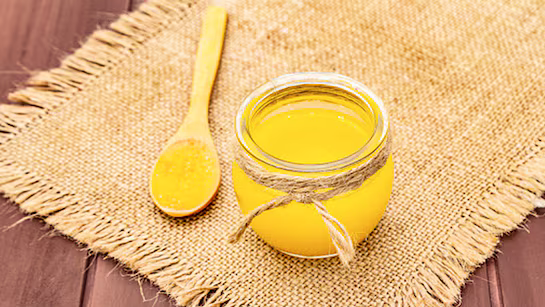
Desi ghee has always been more than just a cooking fat in Pakistani households. It represents heritage, nutrition, and the comforting taste of home-cooked meals. From village kitchens to modern urban homes, desi ghee continues to hold a special place in daily diets. Today, many people are not only interested in its health benefits but are also keen to understand the desi ghee price in pakistan and what factors influence it.
Cultural Importance of Desi Ghee
Desi ghee has been used in South Asia for centuries. It is deeply connected with traditional cooking, religious rituals, and festive dishes. In Pakistan, desi ghee is often prepared from cow or buffalo milk using age-old methods passed down through generations. This traditional process enhances flavor, aroma, and nutritional value, making it very different from commercially processed fats.
In rural areas, desi ghee is still made at home by churning butter from fresh milk. In cities, branded and packaged desi ghee has made this staple more accessible to busy households. Regardless of the source, desi ghee remains a symbol of purity and strength.
Nutritional Value of Desi Ghee
Desi ghee is rich in essential nutrients that support overall health when consumed in moderation. It contains fat-soluble vitamins such as A, D, E, and K, which play a key role in immunity, bone strength, and skin health.
Healthy Fats and Energy
Unlike refined oils, desi ghee is a natural source of saturated fats that provide long-lasting energy. These fats help maintain body warmth, which is why desi ghee is often recommended during winter months. Athletes and people with physically demanding routines also benefit from its high energy content.
Digestive and Medicinal Benefits
Traditional medicine systems like Ayurveda consider desi ghee beneficial for digestion. It supports gut health by aiding the absorption of nutrients and soothing the digestive tract. Many people use desi ghee in home remedies for joint pain, dry skin, and even mild coughs.
Desi Ghee Price in Pakistan: An Overview
Understanding the desi ghee price in Pakistan requires looking at multiple factors, including milk quality, production method, brand reputation, and market demand. Prices can vary significantly between homemade, local, and branded products.
In general, pure desi ghee is more expensive than vegetable ghee or cooking oil. This higher cost reflects the amount of milk required and the labor-intensive preparation process. On average, one kilogram of pure desi ghee requires several liters of milk, which directly affects pricing.
Factors Affecting Pricing
Several elements contribute to price differences across markets:
Quality of Milk
Cow and buffalo milk quality plays a major role in determining the final cost. Organic or grass-fed milk usually results in higher-priced desi ghee due to superior taste and nutritional value.
Production Method
Handmade or traditionally prepared desi ghee tends to cost more than factory-produced alternatives. Slow cooking and careful clarification ensure purity but increase production time and expenses.
Brand and Packaging
Well-known brands often charge higher prices because of quality assurance, hygiene standards, and attractive packaging. Local vendors may offer lower prices, but quality can vary.
Seasonal Demand
During winter and festive seasons, demand increases, which can slightly raise the desi ghee price in Pakistan. Weddings and religious occasions also contribute to higher consumption.
Comparison with Vegetable Ghee and Oils
Many households compare desi ghee with vegetable ghee and cooking oils when managing kitchen expenses. Vegetable ghee is cheaper and widely available, but it lacks the natural nutrients found in desi ghee. Refined oils may be lighter but often undergo heavy processing.
Desi ghee, although more expensive, offers better flavor and health benefits. A small quantity can enhance taste, meaning less is needed for cooking. Over time, this can balance out the higher initial cost.
How to Identify Pure Desi Ghee
With rising demand, adulteration has become a concern. Consumers should know how to identify pure desi ghee before considering the desi ghee price in Pakistan as a value purchase.
Texture and Aroma
Pure desi ghee has a rich, grainy texture and a pleasant milky aroma. Artificial products often smell neutral or overly oily.
Melting Behavior
At room temperature, pure desi ghee usually remains semi-solid and melts quickly when heated. Completely liquid ghee at low temperatures may indicate mixing with oils.
Taste Test
A small taste of pure desi ghee leaves a smooth, creamy feel in the mouth without greasiness.
Buying Desi Ghee in Pakistan
Consumers can purchase desi ghee from local dairy farms, traditional milk shops, supermarkets, and online stores. Each option has its own advantages.
Local farms often provide fresh and authentic ghee, while branded products offer consistency and convenience. Online platforms have made it easier to compare the desi ghee price in Pakistan and choose products based on reviews and certifications.
Usage Tips for Daily Cooking
Desi ghee should be used wisely to gain maximum benefits. Using it for frying spices, preparing lentils, spreading on roti, or adding a spoon to rice can elevate taste without excessive consumption.
Moderation is key, especially for people with specific health conditions. Consulting a nutritionist can help determine the right amount for individual dietary needs.
Future Trends and Market Outlook
Demand for natural and organic foods is increasing across Pakistan. This trend suggests that desi ghee will continue to grow in popularity. As awareness about health and traditional diets spreads, consumers are becoming more willing to invest in quality products.
Although the desi ghee price in Pakistan may fluctuate due to inflation and milk supply, its value as a wholesome and natural food remains strong.
Conclusion
Desi ghee is not just a cooking ingredient; it is a blend of tradition, nutrition, and rich flavor. While the desi ghee price in Pakistan is higher compared to other fats, its health benefits and cultural significance justify the cost for many households. By understanding quality indicators, market factors, and proper usage, consumers can make informed decisions and enjoy the timeless goodness of desi ghee in their daily lives.

 French
 Spanish
 Deutsch